Workdays spent in nature hit a little different, especially when they involve giving back to the community.
For the Department of Sport and Recreation Management (SARM) and Park and Recreation Management program, housed in the College of Business and Technology, experiences like these are a regular part of the job.
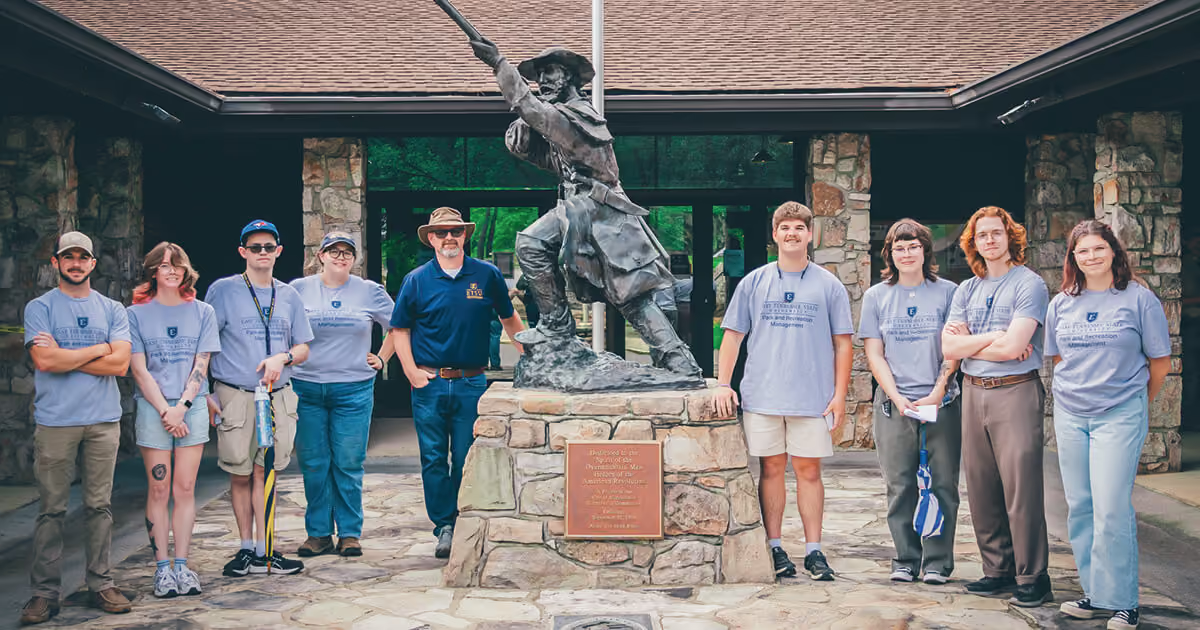
In Dr. T. Jason Davis’ “Interpretation of Cultural and Natural Resources” course, students develop and deliver real interpretative programming for the Sycamore Shoals State Historic Site. As a Community-Engaged Learning (CEL) course, it provides Park and Recreation Management students with hands-on experience similar to that of full-time park rangers and professionals in similar careers in the field.
At its core, interpretation is connecting visitors with the resource, whether cultural or natural. The key is helping the audience connect with the resource and find meaning in why it’s significant and worth protecting. While not a public speaking course, it pushes students out of their comfort zone and prepares them to be comfortable speaking in front of people to get across that meaning.
Good roots
Born over a decade ago, the connection between SARM and Sycamore Shoals State Historic Site began organically, with both sides gaining from the experience. Park and Recreation Management students get a real local example to build their interpretive programming around, with feedback from Dr. Davis, classmates, and rangers. And the state park gains new perspectives from the students as they view the site from different angles.
Sycamore Shoals State Historic Site isn’t the only park to benefit, as multiple former SARM students who took this class went on to become leaders in the field of park and recreation. With a strong, diverse group of SARM alumni, many point to this class as helping unlock the “people skills” the industry is all about.
“The seeds of stewardship the students planted today will grow into future generations of visitors who not only protect the parks, but take an active role in preservation of our cultural and natural resources,” said Jason Davis, a park ranger at Sycamore Shoals and 2008 ETSU Park and Recreation alum.
Before those seeds can grow, they need the right kind of environment. The hands-on learning these park and recreation management students experience plays a critical role in that process, giving them a chance to fail in a safe environment while seeing what works and what doesn’t.

Hands-on learning
When interacting with the public, having a plan is one thing, but changing and adapting on the fly with real guests is another. From unplanned questions about a state park, to people coming into a tour with different backgrounds, live practice situations help prepare students for the real-world challenges of their field.
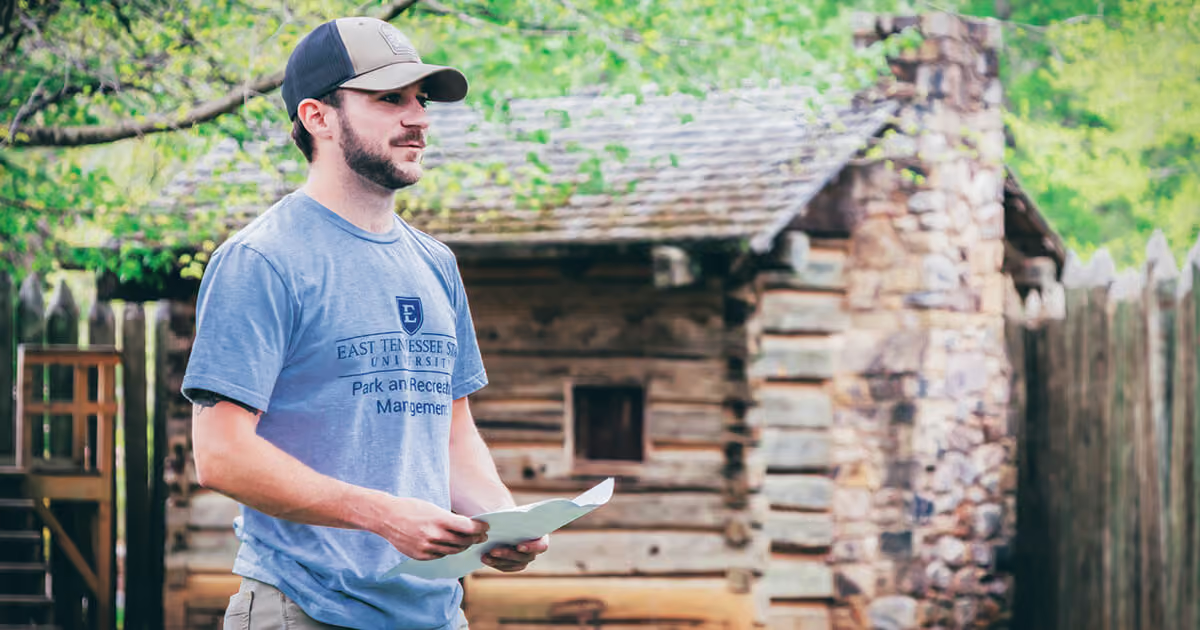
For the Sycamore Shoals interpretive programming, students break into three groups, each deciding to interpret the Carter Mansion, Fort Watauga and grounds, or the arboretum. They then dive into the who, what, when, and how of their resource, while understanding what makes it unique. Fort Watauga and the Carter Mansion are examples of cultural resources, compared to the arboretum, which is a natural resource.
Finally, it is time to get out there and deliver their interpretative programs. This is where the CEL aspect of the course really shines. During the final live interpretation, with the full walking tour and history lessons, a real-life curveball is thrown at the students with the addition of community members to tour groups, which previously only included faculty, rangers, and fellow students.
“That’s the bigger picture from the class perspective to be able to be comfortable in front of people talking, sharing the resource, be able to do research on whatever the resource is, work with a team, and most importantly be able to deliver something to the public that is worth being attended,” said Dr. Davis, Park and Recreation Management Undergraduate Program Coordinator.
Through shared interpretation, these local resources create new lasting meaning for a whole new generation of trailblazers.
.jpg)