

Fall color is becoming harder to miss across the Southern Appalachians.
“Just about anywhere you go right now, you will see color of some sort,” said Travis Watson, East Tennessee State University campus arborist. “Those high peaks are really coloring up.”
For those hoping to catch the strongest display this weekend, Watson recommends heading into the high country — particularly areas around 4,000 to 5,000 feet in elevation.
Roan Mountain, Grayson Highlands, Mount Pisgah and the Great Smoky Mountains are among the places he recommends.
“Anywhere you drive right now will be pretty, and if you are going up in elevation, it is likely only going to get prettier,” Watson said.
The next two weeks should bring some of the best viewing of the season across mid-elevation areas and eventually into the Tri-Cities.
“The next two weeks will be prime time to get out and see the beautiful and unique display of color that only our region can offer,” Watson said.
Windy weekend could shorten the show
The biggest immediate concern for fall color is not temperature or drought, but wind.
Dr. Andrew Joyner, Tennessee state climatologist and an ETSU professor, said Hurricane Isaias is expected to bring relatively modest rainfall to much of the region. Still, stronger winds could affect trees already showing significant color.
Current projections suggest less than an inch of rain in the northern Valley, with higher totals possible in the mountains and farther into western North Carolina.
Wind is the larger concern.
“There could be gusts greater than 50 mph in places, especially on ridges and into Southwest Virginia,” Joyner said. “Where we are starting to see high color, there’s a risk of leaves being stripped prematurely from the trees.”
Joyner said temperatures will likely remain mostly above average over the next week, though daytime highs may be somewhat cooler during the storm.
A more meaningful cold front may arrive around Oct. 17, though that remains far enough out for the forecast to change.
Signs the lower elevations are next
As color begins to move down the mountains, Watson said one species offers an especially useful signal.
Flowering dogwood is among the earliest common trees to change color in the Tri-Cities.
“When all of the Dogwoods around town are completely red, it’s time to start taking the back way home and start using the ‘avoid highways’ function on your navigation app,” Watson said.
Drought stress, which dominated much of the early season conversation, is also becoming less noticeable as normal fall color takes over.
Watson said some stressed areas remain ahead of their surroundings, particularly in urban settings, but traditional seasonal change is increasingly becoming the dominant pattern.
Tree of the week: Red Maple
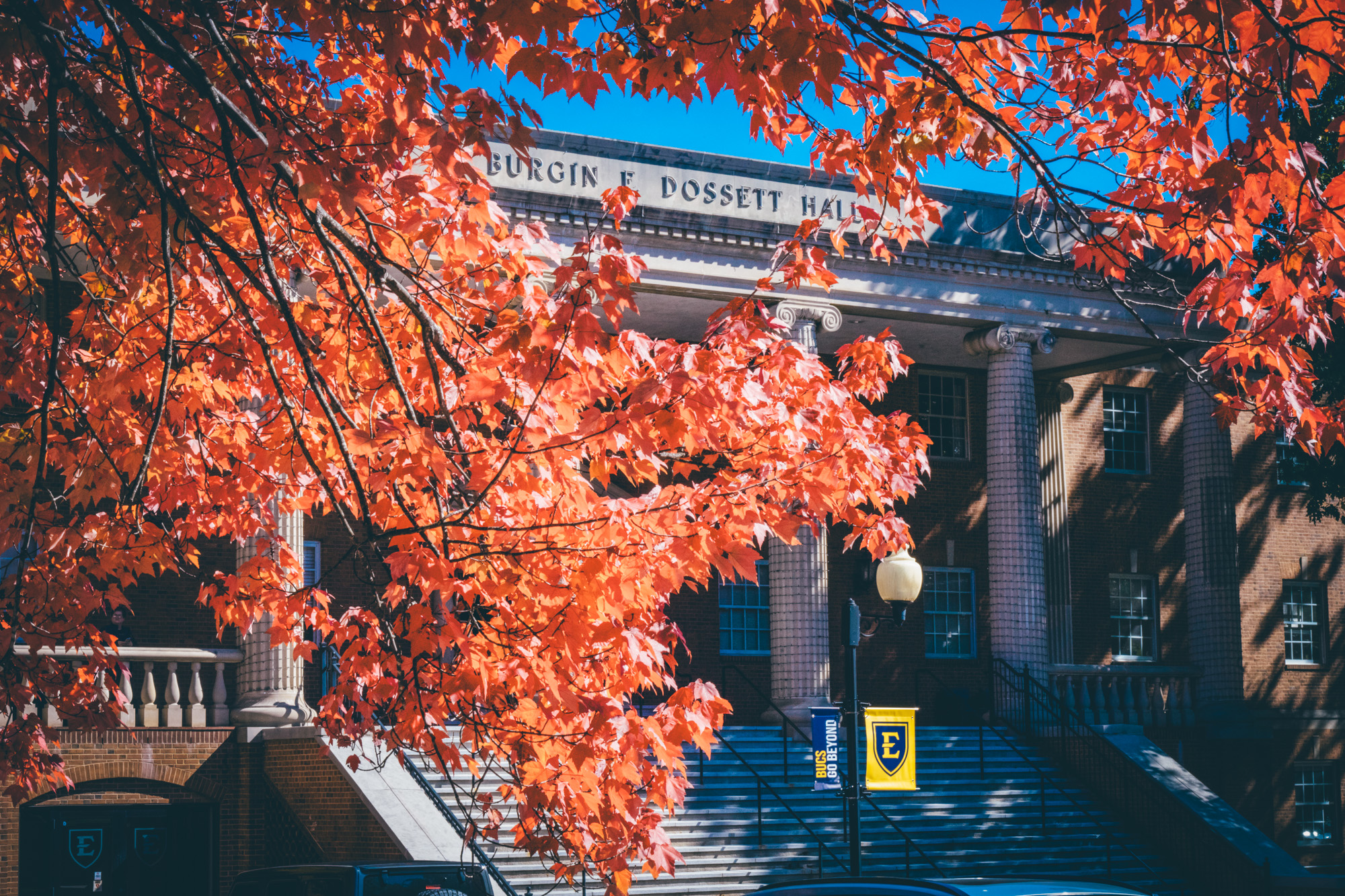
This week’s featured tree is Red Maple, Acer rubrum.
One of the region’s most common maples, Red Maple is highly adaptable and can tolerate both wet and dry conditions.
The species is also an important source of food and habitat for wildlife and can be tapped for sugar, though Sugar Maple is generally preferred for that purpose.
Its leaves typically have three to five serrated lobes and turn a brilliant red in fall.
“This large-canopied species makes up a prominent portion of the red coloration that we see this time of year in our forests,” Watson said.
With high-elevation color building and lower elevations beginning to follow, Watson said the landscape is entering one of its most visually rewarding stretches of the year.
“Mid- to late-October is the time when the overlooks along our roads and trails provide colorful vistas, even if the mountain peaks are finishing up,” Watson said. “Rustling leaves blow across the tree-covered hollers and fall almost literally give you a hug.”
ETSU's weekly Fall Color Reports combine scientific expertise with regional knowledge to help residents and visitors make the most of Appalachia's most spectacular seasons. As the Flagship of Appalachia, ETSU is uniquely positioned to share both the science and beauty behind the region's renowned autumn landscapes.
Fall Color Reports are published every Friday at news.etsu.edu.
.jpg)