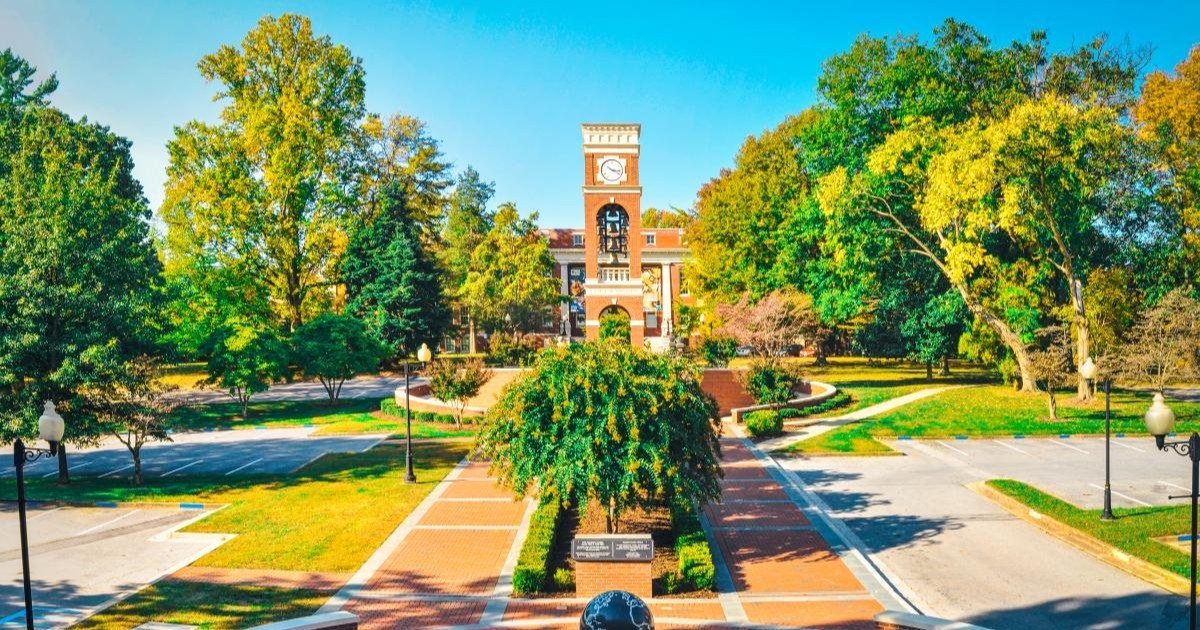
As October nears its end, vibrant fall color is becoming more prominent in the region’s lower elevations, where experts at East Tennessee State University expect the region’s next major wave of color to build through the end of the month into early November.
“For the majority of the Tri-Cities, we can expect to really start seeing color the last week of October through the first week of November,” said Travis Watson, ETSU’s campus arborist.
That doesn’t mean the higher elevations can’t still offer a glimpse at some truly spectacular color.
“This weekend is still prime time for higher elevation towns like Roan Mountain, Boone, Banner Elk, Blowing Rock, Shady Valley and Damascus,” said Watson. “The overlooks on Interstate 26 in Flag Pond should be especially pretty over the next week.
“Of course, the Blue Ridge is in full glory currently," he added. “Just pack some patience, because traffic is also at its highest for the season.”
A better-than-expected season?
After a hot, dry start to fall, Watson said this year’s color is holding up reasonably well.
“We have certainly had better years, but this season is far from disappointing,” he said. “The bright sunny days are ideal for color development and should help intensify the colors in the coming weeks. Overall, I think it is slightly better than expected.”
Dr. Andrew Joyner, Tennessee state climatologist and an ETSU professor, said the later-than-usual first frost/freeze – a frost/freeze this late in the higher elevations typically only happens once a decade – helped delay color development but weather conditions should be favorable for continued viewing in the coming weeks.
Expect daytime highs in the 60s and 70s and nighttime lows in the 40s over the next week before another potential cold snap around October 29.
“It looks like we have a beautiful, but dry, week ahead,” he said. “Great leaf-peeping weather.”
Joyner expects several more weeks of good color, with Johnson City likely reaching peak near the end of the first week of November.
“We’re really lucky to have so much elevation change in our area, which really extends the fall colors season,” he said.
Tree of the week: Northern Red Oak
This week’s featured tree is Northern Red Oak, Quercus rubra.
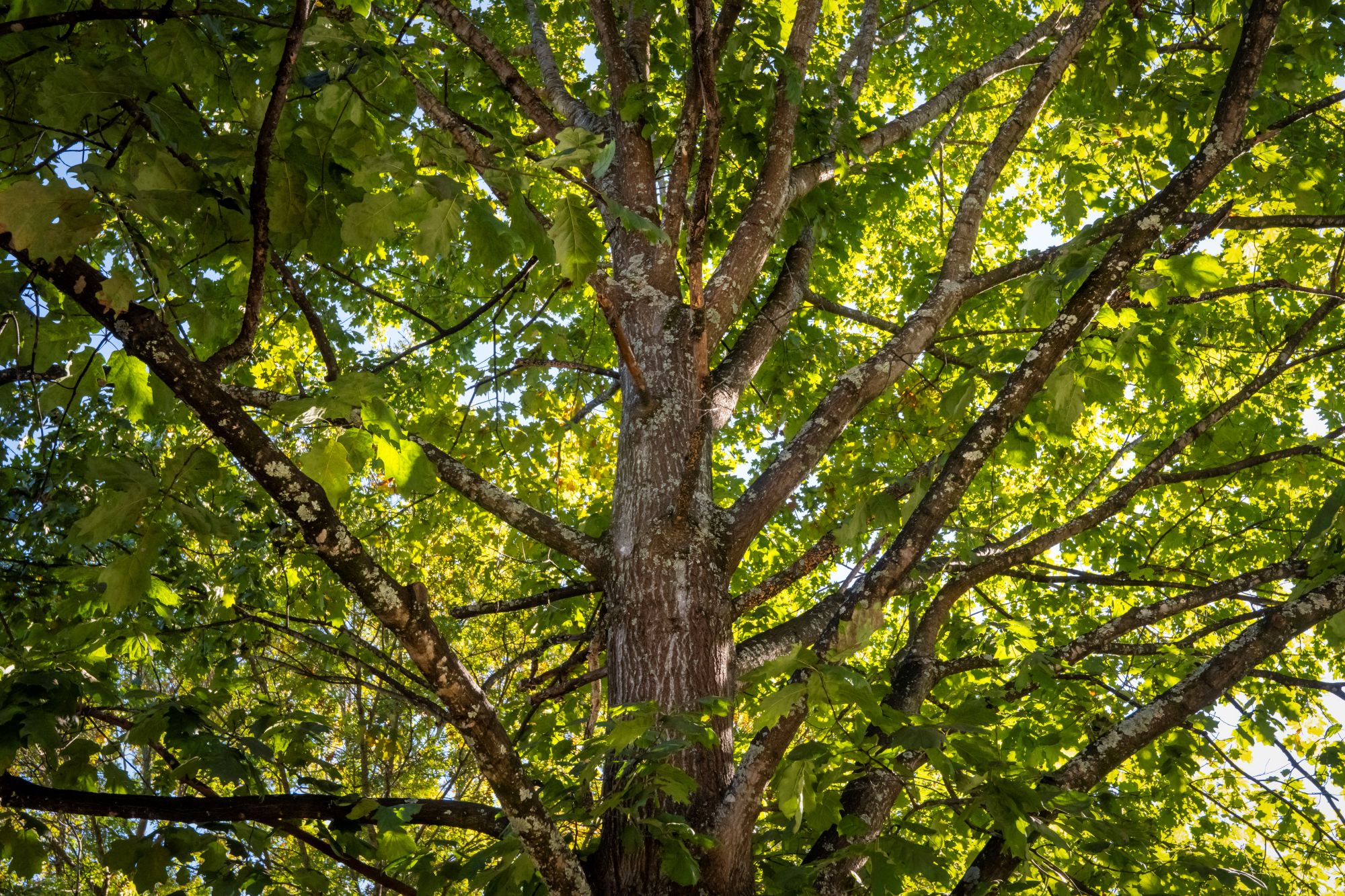
Red oak makes up a significant portion of the region’s native forest stands and is one of the last major species to change color in fall.
When conditions are right, its broad canopy turns a deep russet red.
Oaks are also among the most important tree groups in Southern Appalachian ecosystems. Their acorns provide food for wildlife, their blooms supply early-season pollen, and their large canopies offer habitat for birds and small mammals.
As the season moves deeper into the valleys, those late-changing oaks will help carry the region’s color well into November.
About the Fall Color Reports
ETSU's weekly Fall Color Reports combine scientific expertise with regional knowledge to help residents and visitors make the most of Appalachia's most spectacular seasons. As the Flagship of Appalachia, ETSU is uniquely positioned to share both the science and beauty behind the region's renowned autumn landscapes.
Fall Color Reports are published every Friday at news.etsu.edu.