

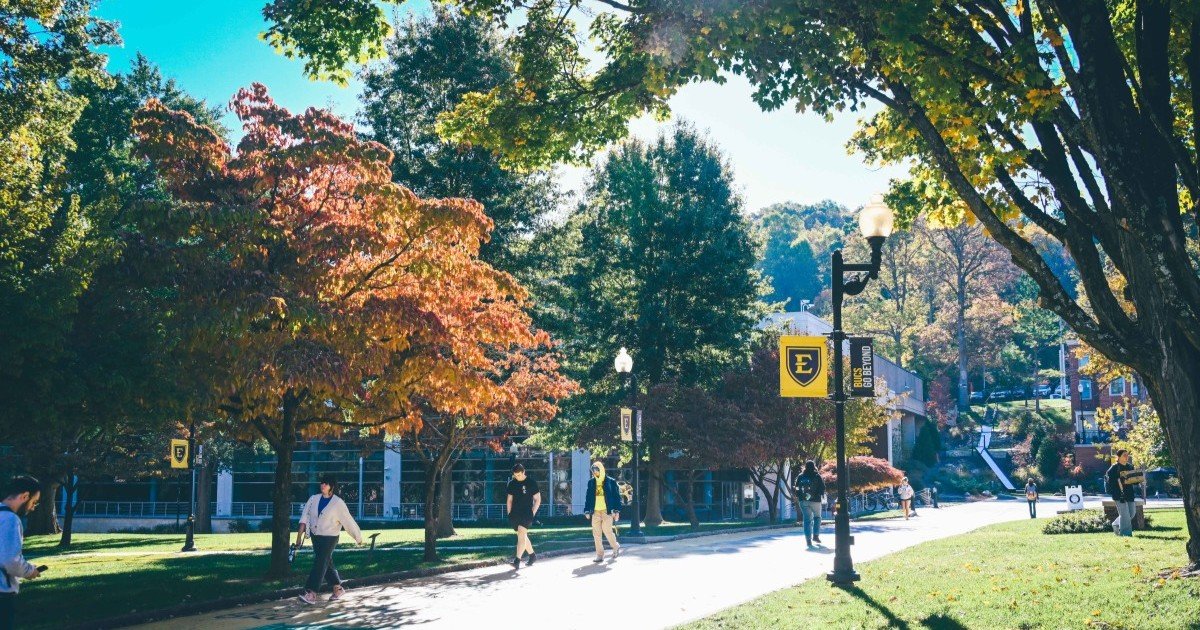
Fall color is beginning to emerge at the highest elevations of Central Appalachia, but continued warm nights and dry conditions mean much of the region will have to wait a little longer for autumn’s bigger show.
East Tennessee State University experts say little has changed since last week’s outlook, when they predicted a variable fall color season after a wet summer gave way to hot, dry weather.
“Unfortunately, we did not receive much in terms of rainfall last weekend for much of the area, so I would not expect it to change the color forecast much,” said Travis Watson, ETSU’s campus arborist.
Nighttime temperatures also remain warmer than ideal for more widespread color development at lower elevations.
Dr. Andrew Joyner, Tennessee’s state climatologist and an ETSU professor, said recent forecast models suggest the region may not see a good chance of nighttime temperatures falling into the 50s until late next week — and forecasts that far out remain uncertain.
The warm evenings could delay color development, while continued drought could cause some species to drop leaves early, particularly in already stressed environments.
Watson said some color has been reported at the highest elevations in North Carolina and Virginia, but with overnight lows remaining relatively warm, color progression could remain slow elsewhere.
Rain is possible over the coming week, but neither expert expects enough sustained precipitation to dramatically change current conditions. Joyner said forecasts indicate around an inch of rain could fall over the next seven days on the Tennessee side of the mountains, roughly average for this time of year.
Parts of the North Carolina side could receive 1.5 to 2.5 inches, though amounts are expected to vary considerably.
What the region really needs, Watson said, is sustained rainfall rather than brief downpours.
“We need significant and extended light rain,” Watson said. “Heavy afternoon showers do very little to improve soil hydration. Much of this type of precipitation runs off, especially in urban areas and turf.”
Where drought stress is showing
Continued heat and dry conditions are already leaving their mark on some trees.
Watson has observed considerable leaf drop among tulip poplars and American sycamores, two native species with high water demands that commonly shed leaves during dry summer periods. Trees in urban landscapes, residential lawns, along the edges of small woodlots and in other disturbed areas are also showing signs of heat and drought stress, including early color change and leaf loss.
Large, intact forests are generally faring better.
“These forest systems tend to be much more stable,” Watson said. “The individual trees within the stand are less exposed to desiccating wind. The full canopy provides cooling shade for the soil and reduces water loss.”
Forest soils also tend to contain more organic matter and pore space than compacted urban soils, allowing them to retain greater amounts of moisture for longer periods.
That resilience has limits, however. Watson said prolonged drought could eventually begin affecting even healthy forest stands if cooler temperatures and regular rainfall do not return.
For now, those looking for the season’s first hints of color should look toward the region’s highest elevations — or keep an eye on a familiar native tree already beginning its autumn transformation.
Tree of the Week: Flowering dogwood
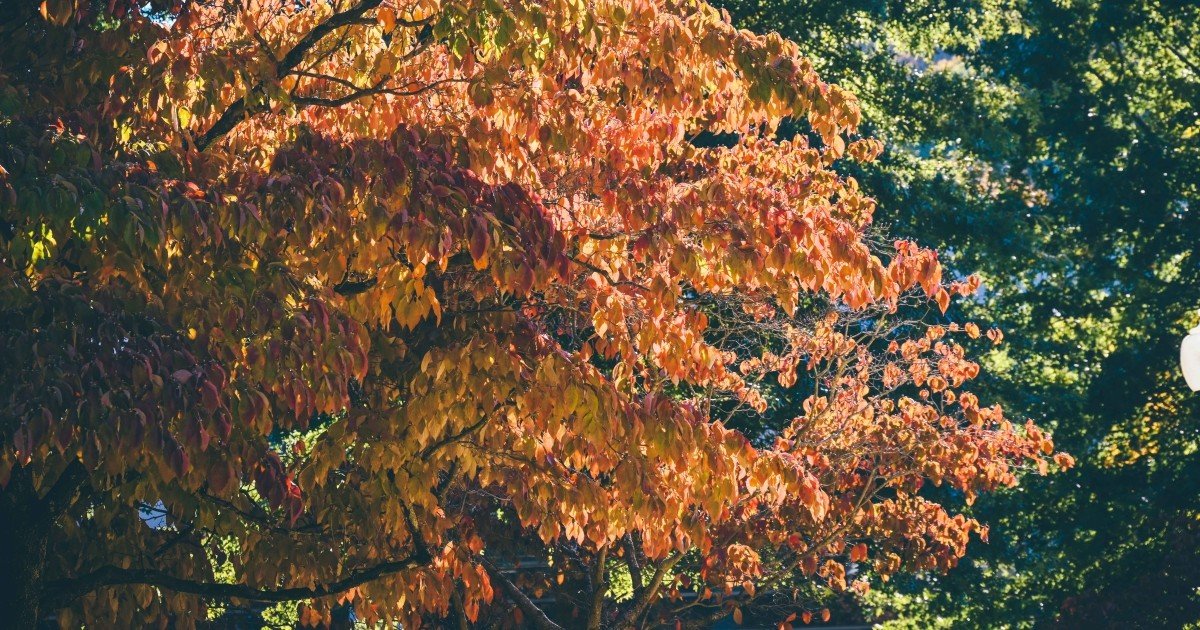
Flowering dogwood (Cornus florida) may be best known as one of Appalachia’s signature spring-blooming trees, but its autumn display can be just as distinctive.
Dogwoods have already begun to “blush” across the region, Watson said, beginning a transition from green to vibrant shades of red, purple and orange. They also tend to hold their leaves longer than some other native trees, with foliage sometimes remaining into November.
That makes flowering dogwood a three-season standout. Its typically white spring blooms give way to red berries in summer before its multicolored foliage takes center stage in fall.
The native tree also plays an important ecological role. According to Watson, dogwood provides a late-summer food source for more than 75 species of animals, serves as a host for numerous caterpillars and offers an important early-spring pollen source for insects.
Its dense wood was historically prized for mallets, weaving implements and other tools requiring durable wood, and the tree has also been used in traditional folk remedies.
.jpg)

.jpg)