.jpg)
East Tennessee State University’s Quillen College of Medicine continues to expand its research portfolio, with faculty securing more than $2.6 million in grant funding through seven recent awards from the National Institutes of Health (NIH).
The projects span a range of pressing health challenges, from developing better treatments for an aggressive form of brain cancer to understanding cardiovascular complications after spinal cord injury and the heightened risk of invasive fungal infections among people with diabetes.
“These awards reflect the breadth and quality of research taking place across the Quillen College of Medicine,” said Dr. Bill Block, Quillen’s dean and ETSU’s vice president for Clinical Affairs. “Our faculty are asking important questions that have the potential to improve health and quality of life, while giving our students opportunities to learn alongside accomplished investigators. That combination of discovery, education and service is central to our mission.”
The funded investigators are faculty members in Quillen’s Department of Biomedical Sciences.
“This NIH support speaks to both the scientific rigor of our faculty and the research environment at Quillen,” said Dr. Krishna Singh, chair of the Department of Biomedical Sciences. “These projects address significant health challenges while creating an environment where students and emerging scientists can develop the skills and experience necessary to become the next generation of biomedical researchers.”
Enhancing CAR T-cell therapy for glioblastoma
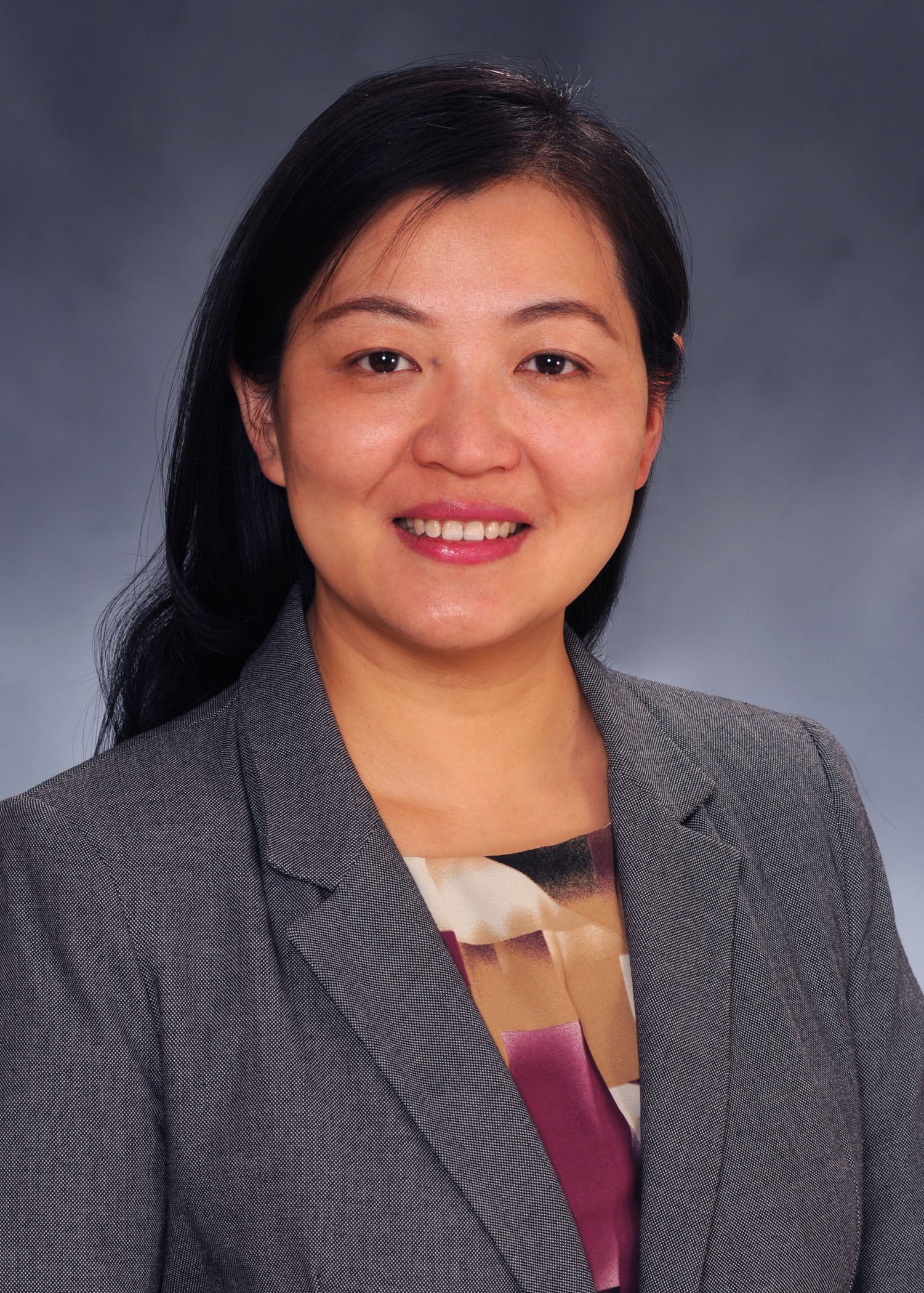
Dr. Qian Xie, an associate professor in Quillen’s Department of Biomedical Sciences, received a $608,000 NIH R16 award to explore new approaches for improving treatment of glioblastoma, one of the most aggressive forms of brain cancer.
Xie’s project, “Targeting death receptor pathways to enhance MET-CAR T-cell therapy in glioblastoma,” builds on previous work developing MET-directed chimeric antigen receptor, or CAR T cells designed to target MET-positive glioblastoma. It’s funded through the NIH’s National Institute of Neurological Disorders and Stroke.
Although CAR T-cell therapy has made significant advances in cancer immunotherapy, its effectiveness against solid tumors remains limited. Xie and her team will investigate whether combining MET-CAR T cells with radiation therapy can enhance their effectiveness and explore the molecular mechanisms behind the therapeutic response.
The project also includes a student involvement plan designed to provide students at multiple levels with hands-on experience in modern cancer biology and immunotherapy.
Understanding dangerous fungal infections in people with diabetes
Dr. Alex Hopke received a $565,233 NIH R16 award from the NIH’s National Institute of Allergy and Infectious Diseases to investigate an unusual immune response known as “neutrophil swarming” and its role in protecting the body against invasive fungal infections. Hopke is an assistant professor in the Department of Biomedical Sciences.
Infections caused by fungi such as Candida and Aspergillus, as well as species that cause mucormycosis, can pose a serious threat to immunocompromised patients, including people with diabetes.
Neutrophils are immune cells that play an important role in defending the body against fungi. Hopke’s research will examine how these cells work together — or “swarm” — to contain fungal pathogens and whether impaired swarming among people with diabetes contributes to their increased susceptibility to infection.
His team has developed a microscale device that allows researchers to observe human neutrophils interacting with live fungi. The long-term goal is to identify potential approaches for improving immune function and treating invasive fungal infections.
Exploring a new approach to slowing atherosclerosis
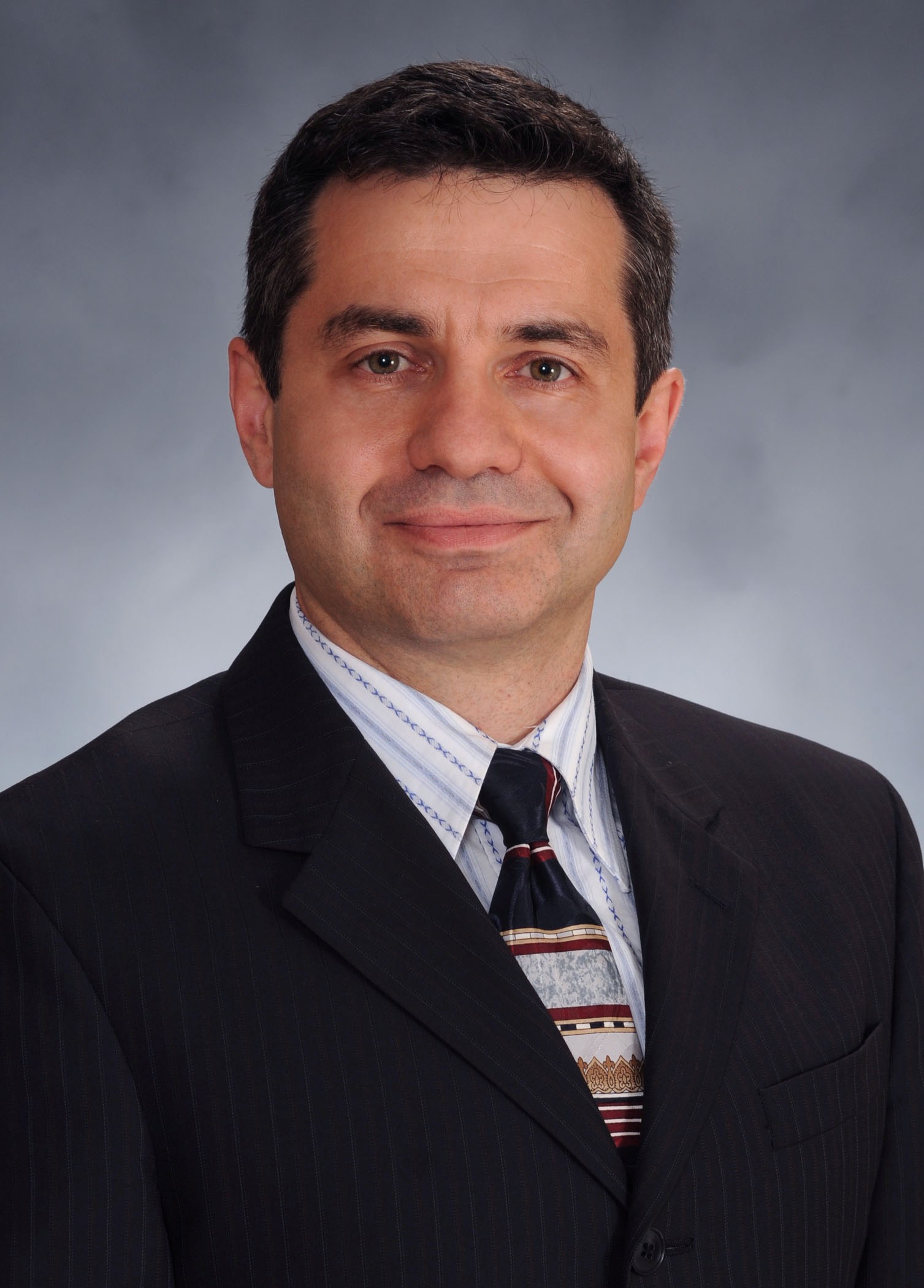
Dr. Valentin Yakubenko, an associate professor in Quillen’s Department of Biomedical Sciences, received a $536,447 R15 award from the NIH’s National Heart, Lung, and Blood Institute to investigate mechanisms that cause immune cells to accumulate within atherosclerotic lesions.
Atherosclerosis is characterized by the buildup of plaque within arteries and is a major contributor to cardiovascular disease. Macrophages, immune cells involved in inflammation, accumulate and become retained at sites of inflammation as the disease develops and progresses.
Yakubenko’s team is studying whether products generated by fatty acid oxidation alter the cellular environment in ways that promote macrophage retention.
The findings could point toward new strategies for preventing excessive macrophage accumulation and slowing the progression of atherosclerosis and other chronic inflammatory diseases.
The project supports Ph.D. students Jared Casteel and Jacob Damron, as well as undergraduate Honors student Amelia Hodge. First-year Quillen students will also have opportunities to participate through the college’s Summer Research Program.
Investigating cardiovascular regulation and spinal cord injury
Drs. Michelle Chandley, a professor in the College of Medicine’s Department of Biomedical Sciences, and Matthew Zahner, an associate professor in the ETSU College of Public Health’s Department of Biomedical Health Sciences, are leading a collaborative research program supported by three NIH awards totaling more than $910,000.
The collaboration between Quillen and the College of Public Health brings together complementary expertise in neuroscience and cardiovascular physiology to investigate the neural mechanisms underlying autonomic cardiovascular regulation.
Their research uses cutting-edge approaches, including behavioral neuroscience and in-vivo electrophysiology, combined with synthetic biology tools including optogenetic and chemogenetic approaches in genetically engineered rat models to investigate central autonomic pathways that control sympathetic nervous system activity, cardiovascular reflexes, and blood pressure regulation, and how injury and stress disrupt these processes.
A four-year, $608,000 R16 award will investigate how the central nucleus of the amygdala and hypothalamic paraventricular nucleus contribute to stress-induced augmentation of the cardiogenic sympathetic afferent reflex, a cardiovascular reflex that increases sympathetic nervous system activity and, when exaggerated, can exacerbate myocardial ischemia and infarction.
Two complementary NIH R03 awards ($146,221 and $152,000) support exploratory studies of cardiovascular autonomic dysfunction following spinal cord injury. Both examine neuroplasticity within autonomic pathways and strategies to improve baroreflex regulation of blood pressure.
One targets plasticity in descending brainstem-to-spinal pathways, while the other directly stimulates spinal sympathetic neurons. Together, the studies seek to understand how neuroplasticity within these autonomic pathways can be harnessed to improve cardiovascular function after spinal cord injury.
Strengthening shared research infrastructure
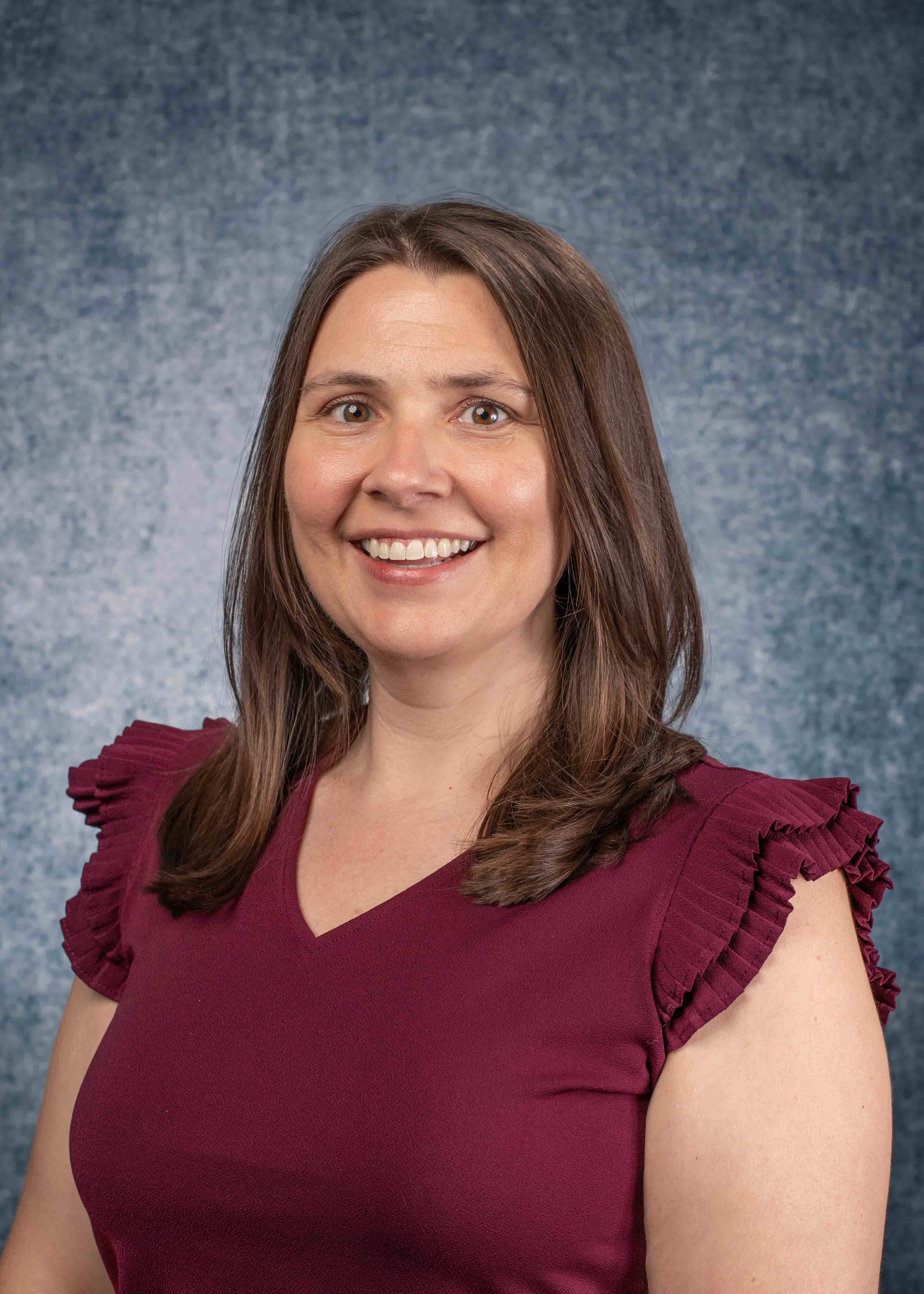
An NIH instrumentation award from the NIH’s National Institute of General Medical Sciences will also strengthen research capabilities across ETSU.
Dr. Regenia Campbell received a $54,389 RLI-S10 award to purchase a vibratome for ETSU’s Molecular Biology Core Facility. Campbell is the facility’s assistant director. Co-contributors for this award included Drs. Eric Beaumont, Justin Gass and Tatiana Viena from the Department of Biomedical Sciences.
The specialized laboratory instrument uses a rapidly vibrating blade to cut biological tissues into extremely thin sections, allowing researchers to prepare samples for microscopic study.
The Molecular Biology Core Facility provides instrumentation, consultation and research services to more than 30 laboratories on the ETSU campus.
Together, the NIH awards represent continued investment in ETSU’s growing research enterprise and in faculty and students working to better understand some of today’s most significant health challenges.
“Federal research funding is highly competitive, and having multiple ETSU investigators succeed across different NIH programs is significant," said Dr. Nick Hagemeier, ETSU's executive vice provost and interim chief research officer. "Taken together, these awards show a research enterprise that is intentionally gaining depth and strengthening its capacity.”
As Tennessee’s largest public Academic Health Sciences Center, ETSU is advancing research, education and clinical care with a particular commitment to improving health in rural and underserved communities.
To learn more about the Quillen College of Medicine, visit etsu.edu/com/.
.jpg)