.avif)
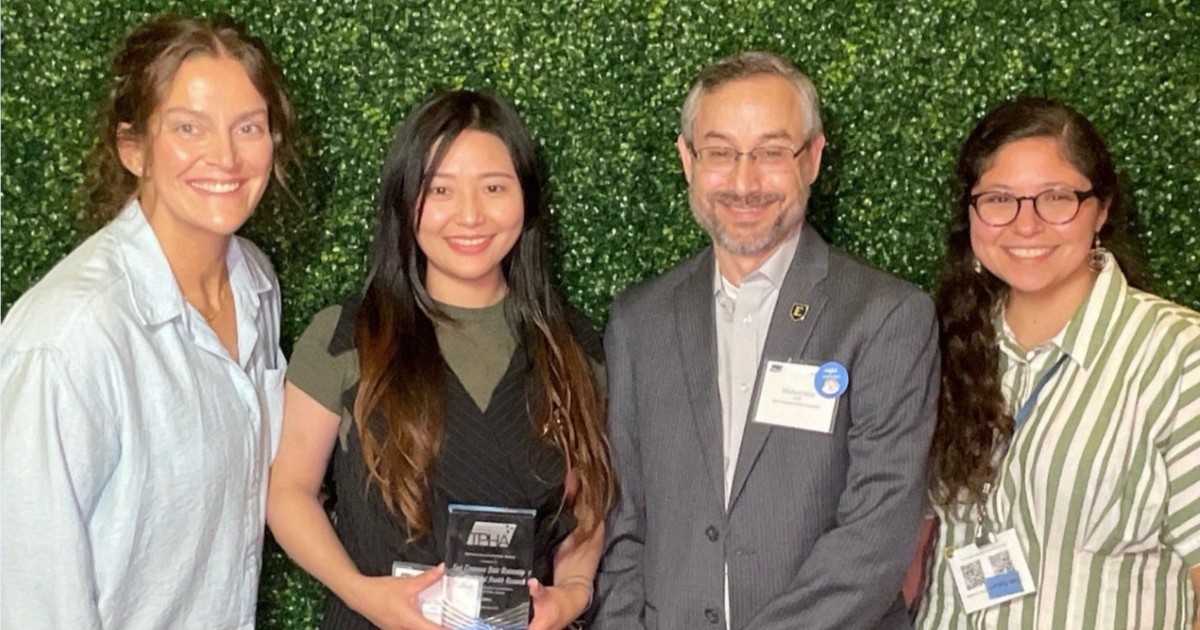
ETSU Radiologic Science students received innovative GLiFTlead vests from Salus Scientific during a campus symposium focused on radiationprotection, occupational wellness and industry collaboration.
East Tennessee State University’s College of Health Sciences recently welcomed a new industry partner, Salus Scientific, during a campus symposium held April 29. The event brought together faculty, students and industry representatives to discuss innovation in radiologic science and the importance of protecting healthcare workers as medical imaging continues to expand.
Accredited by the Joint Review Committee on Education in Radiologic Technology (JRCERT), ETSU’s Radiologic Science program is a competitive-entry program that prepares students for careers in medical imaging through a combination of classroom instruction and hands-on clinical education. The program has consistently demonstrated strong student outcomes, including a 99.2% five-year average first-time pass rate on the ARRT certification examination and a 100% five-year job placement rate.
During the symposium, Salus Scientific donated two GLiFT lead vests to graduating students in ETSU’s radiologic science program. The specialized vests are designed to reduce the physical strain associated with traditional radiation protection equipment while maintaining critical safety standards.
“Healthcare professionals who work with imaging technology are often focused entirely on patient care, sometimes overlooking the long-term risks to their own health,” said Dan Lormon, vice president of medical affairs at Salus Scientific. “Our goal is to provide better protection so they can continue doing this important work safely throughout their careers.”
Salus Scientific focuses on improving occupational wellness for healthcare professionals working in environments where X-ray imaging is frequently used, such as interventional radiology and cardiac catheterization labs. Traditional lead aprons, while effective at shielding radiation, can place significant strain on the neck, shoulders and back over time.
The GLiFT system addresses this issue by redistributing the weight of protective gear from the upper body to the hips, helping reduce long-term orthopedic stress for clinicians.
“This collaboration exemplifies the powerful impact of partnerships among industry, healthcare and academia,” said Dr. Ester Verhovsek-Hughes, chair of ETSU’s Department of Allied Health Sciences. “It is truly encouraging to witness these sectors working together to advance education, promote safety and support the next generation of healthcare professionals.”
The donation reflects a broader effort by Salus Scientific to invest in students entering the field. By equipping future healthcare professionals early in their careers, the company hopes to promote safer workplace practices and increase awareness of occupational risks associated with radiation exposure.
“Reaching students at the start of their careers is critical,” Lormon said. “We want to ensure they have access to the best possible protection and feel confident entering a field that is both rewarding and essential to patient care.”
The partnership represents an important step forward for the program, providing students with access to emerging technologies and strengthening connections between education and industry.
“This symposium was an incredibly rewarding experience for our program,” said Dr. Erica O'Quinn, program director for Radiologic Science. “It was inspiring to see our students learning alongside a collaborating radiography program and community healthcare professionals. The event emphasized the critical importance of radiation protection and fostered valuable education with a strong sense of community within our profession.”
.jpg)