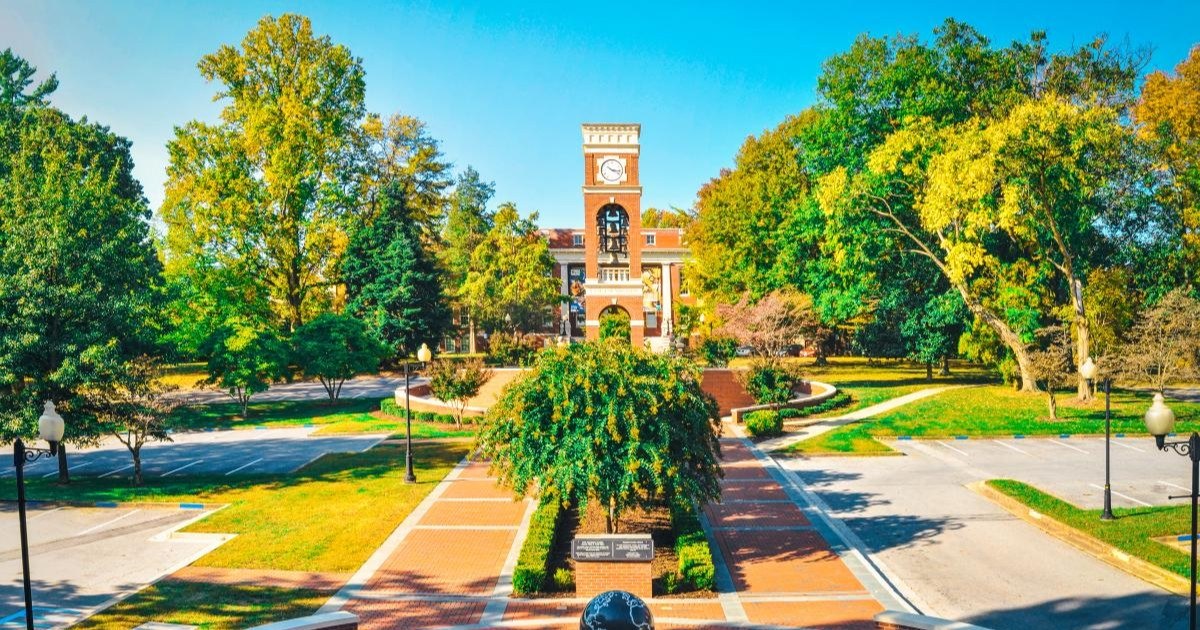
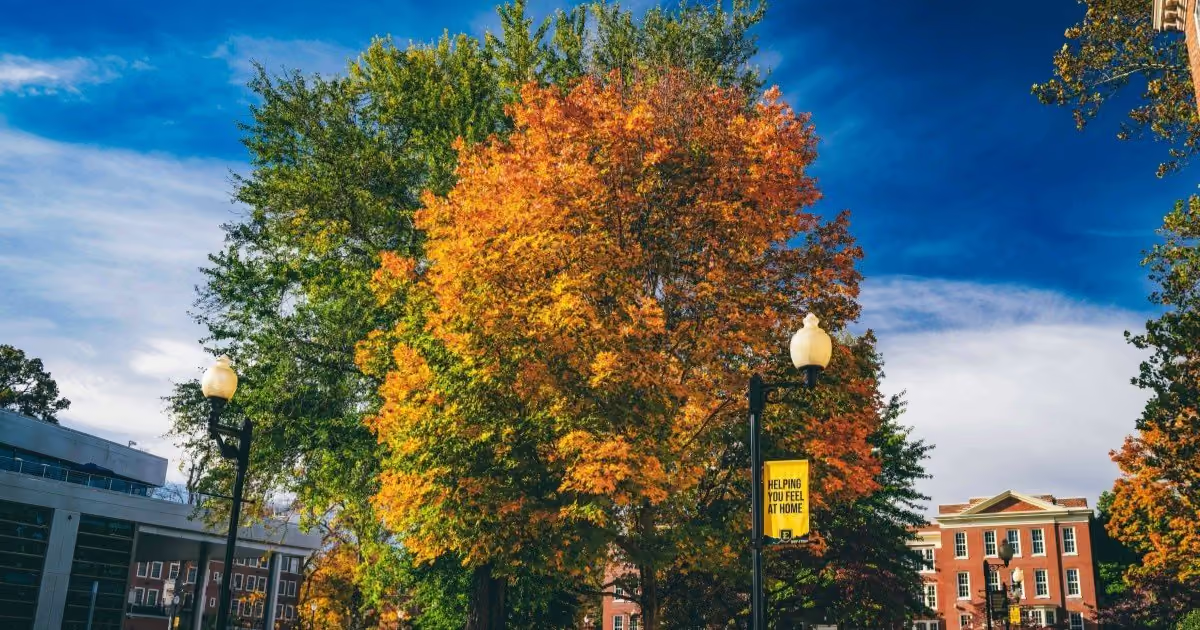
A wet summer followed by an unusually hot and dry start to September has East Tennessee State University experts predicting a fall color season defined by one word: variability.
While peak color timing remains close to normal across much of the Southern Appalachians, recent weather patterns mean the vibrancy of this year's display could differ dramatically depending on where you are and even what tree species you're looking at.
"The overarching theme for this year is variability," said Travis Watson, ETSU's campus arborist. "Local weather patterns and conditions have varied greatly across our region this year, and that variation will be reflected in the fall color display."
A tale of two seasons
The good news is that abundant rainfall throughout much of the spring and summer helped trees produce healthy, full canopies – an important ingredient for vibrant autumn color.
The challenge came when those well-watered landscapes shifted into a prolonged stretch of hot, dry weather.
"These full canopies move a lot of water from the ground into the atmosphere," Watson explained. "As rainfall becomes less dependable, trees begin to experience water stress. One of their first responses is to shed leaves, particularly species that prefer wetter conditions or trees growing in shallow soils."
That early leaf drop, already visible in parts of the Tri-Cities, could reduce the intensity and duration of fall color in some locations.
Timing remains on track
Despite recent weather swings, Dr. Andrew Joyner, Tennessee's state climatologist and an ETSU professor, expects peak color to arrive on a fairly typical schedule.
The highest elevations, including Roan Mountain and Grandfather Mountain, should begin showing vibrant color by mid-September, with peak conditions arriving in early October.
Communities such as Boone, North Carolina, can expect peak color around mid-October, while lower elevations across Northeast Tennessee – including the Tri-Cities – are still on track for peak color during the last week of October into early November.
Recent weather has complicated the forecast, however.
A warm spring encouraged some trees to leaf out earlier than usual, while September's hot, dry conditions typically delay peak color and can reduce its vibrancy. Those competing influences may cause different species to respond differently throughout the region.
"For most tree species, the ideal fall weather is sunny days, cool nights and enough rainfall to keep leaves from dropping too early," Joyner said. "While daytime temperatures have been unusually warm recently, it's the overnight temperatures that are especially important because cooler nights help trigger the processes that lead to fall color."
Looking ahead
For now, both recommend keeping an eye on the highest elevations as the season begins its annual descent through the mountains over the coming weeks.
“Because of these competing signals, timing and vibrancy of peak leaf color may be highly variable this fall depending on how each tree species responds to these weather stressors,” said Joyner. “As these conditions continue into next week, they may result in duller colors for some trees and possibly some earlier peak leaf color.”
ETSU's weekly Fall Color Reports combine scientific expertise with regional knowledge to help residents and visitors make the most of one of Appalachia's most spectacular seasons. As the Flagship of Appalachia, ETSU is uniquely positioned to share both the science and beauty behind the region's renowned autumn landscapes.
The next report will be published next Friday at news.etsu.edu.
Featured Tree of the Week: Sugar Maple
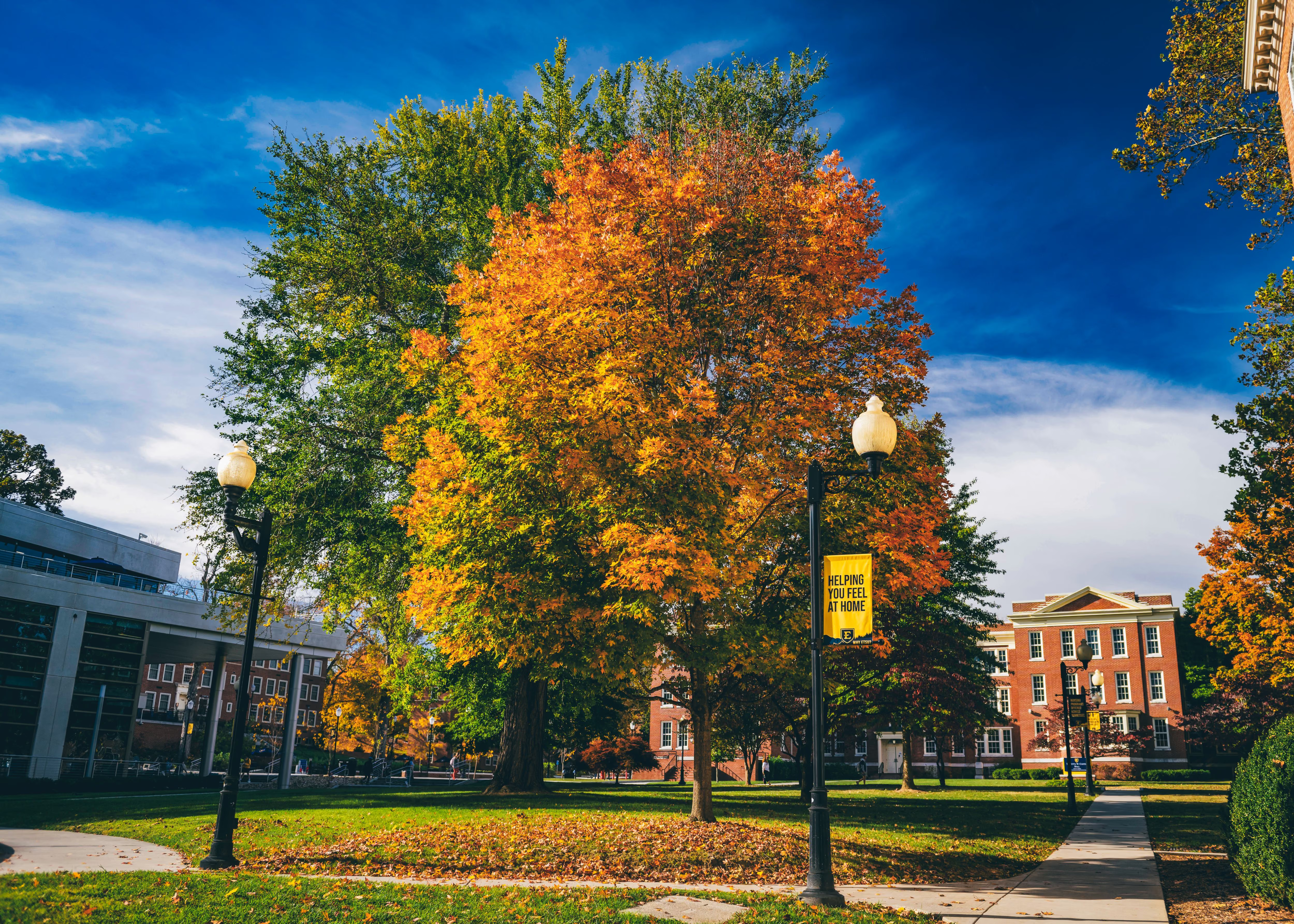
If there is one tree synonymous with fall, it's the sugar maple.
Sugar maples produce some of the region's most brilliant autumn displays, says Watson, with their three- to five-pointed leaves ranging from bright yellow and gold to vibrant orange and deep red – often all on the same tree at once. While sugar maples dominate forests farther north, they appear throughout Northeast Tennessee in rich coves, mountain forests and established neighborhoods.
Native to eastern North America, sugar maples thrive in cool locations with moist, well-drained soils and can reach heights of 80 to 100 feet. Sugar maples tend to be among the first to show off their vibrant color, but specific timing depends on location and elevation.
Did you know? The same sugar maple that produces spectacular fall color is also the preferred tree for maple syrup production because of its higher sugar content than other maple species.